Communism Tour in Albania
Tour Description and Itinerary
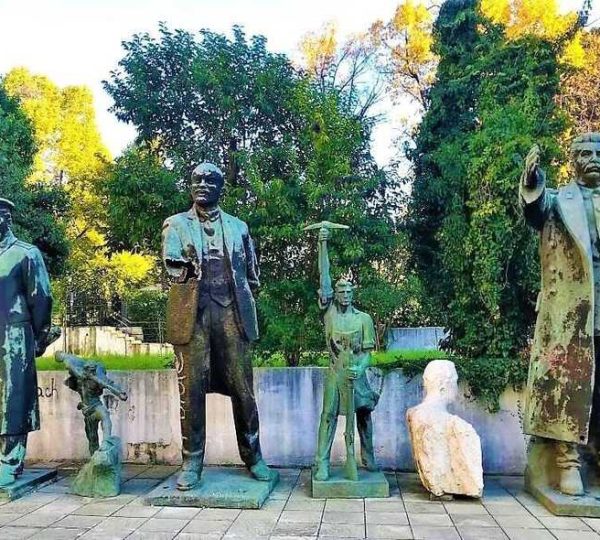
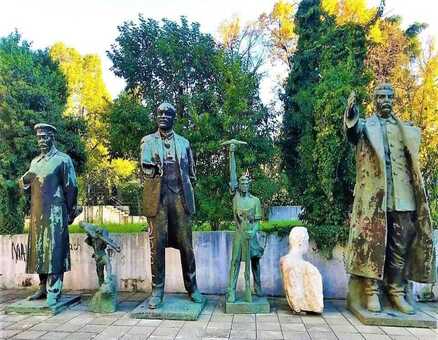
In this unusual tour we will visit objects from the time of communism in Albania, but we will alternate this tour with nature, culture, history and gastronomy. We will start with Tirana, where the main buildings of the communist era are located as they are. 2 atomic bunkers, the villa where the Albanian dictator lived, the house of leaves {a secret service museum}, the pyramid of Tirana, apartments built during communism, and many others. In the following days, we will visit one of the largest army bases in Albania, such as the island of Sazan, the submarine tunnels, the Park of Drilon, {the dictator’s favorite vacation spot}, cold war tunnel and weapons musem in Gjirokastra, the steel of the Part, {the biggest industrial centre of communist} and many others. During the brutal communist regime of Enver Hoxha, Albania was the most isolated and inaccessible country in Europe. For four decades, tourists couldn’t visit this little Balkan country, shrouded in an aura of mystery. It remains an off-the-beaten-track destination, but more and more foreigners make it to Albania to discover its beautiful nature, culture and history.
DISCOVERY HIGHLIGHTS
- Bunk’Art 1″ is 3000 m2 of underground protective bunker, the product of Enver Hoxha’s fear of nuclear fallout
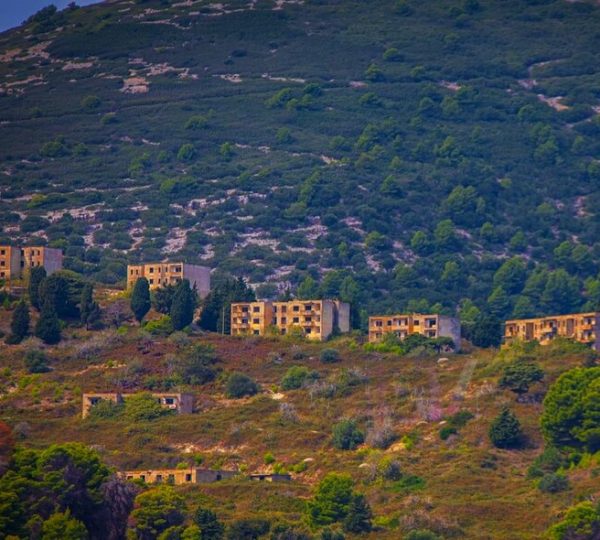
- Sazan island once was a military base and into the island was created a small town for officers’ families
- The submarine bunker was built during the Cold War under the rule of communist leader Enver Hoxha.
- Poliçan was important during the Communist period because it was home to an enormous arms and ammunition factory, which was opened in 1962
-
Duration 9 Days
-
Destination Albania
-
Start/Ends in Tirana
Included/Exclude
- Accommodation in 3*/4* hotels on twin sharing basis with daily breakfast
- Sightseeing as per itinerary with English speaking guides
- Transportation by car/coach/minibus
- Airport transfers
- All Taxes
- Meals other than that mentioned in itinerary
- Overseas medical insurance
- Entrance fees
- Optional tours
- Anything that is not stated in itinerary
Tour Amenities
Tour Itinerary
Arrival in Albania. We meet our guide and we will drive in Tirana. If we have time, we will visit the area of the block, which for 50 years has been one of the most isolated areas for people because the communist leaders lived here and no one was allowed to enter this area. The area has been surrounded by armed soldiers and very secure. Today this area is one of the most visited and one of the areas most frequented by people because the area is full of restaurants, bars, pubs and night clubs. Overnight in Tirana.
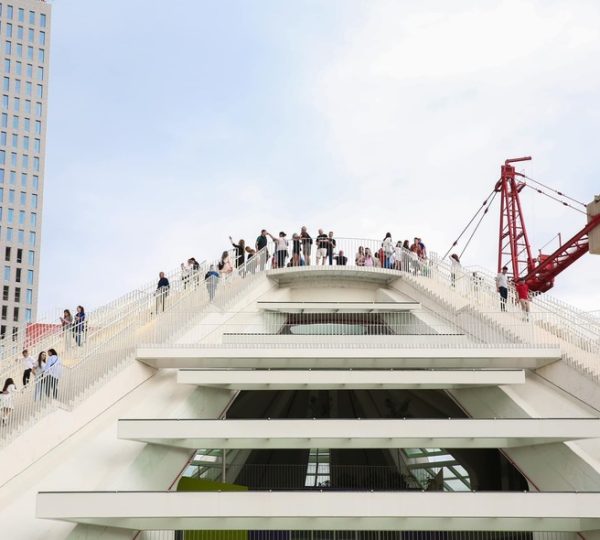
After breakfast we will drive to Bunk'Art 1. "Bunk’Art 1" is 3000 m2 of underground protective bunker, the product of Enver Hoxha’s fear of nuclear fallout. It was build in the 1970 and spread over different floors. The bunker was built in a very secret way and the reason was that in case of an atomic attack, our leaders would have to hide in this bunker. Today, the bunker has turned into a museum which shows a part of the history of Albania in the time of communism. Back to Tirana. Then we will walk through the city and the first visit will be Skanderbeg Square and around this square there are several buildings built during the communist era such as Tirana International Hotel, Opera House, National Library, National Museum. Then we will walk in the direction of the art gallery and then we will visit the most famous touris hotel, Dajti Hotel. Then we will visit the Pyramid of Tirana, a building built in 1988 by the communist government after his death and until 1990 the Pyramid was Enver Hoxhe's museum. Then we will visit the Prime Minister's Office and the Albanian Parliament, two buildings built during communism. At the entrance to the Block area, an area that was the most isolated and safest area in Albania during the communist era, there are 3 objects related to the communist era. The first is a small bunker in the shape of a mushroom and this is one of the 750,000 bunkers built to protect the country from any imperialist invasion. The second object is some columns taken from the most notorious political prison in Albania, the Spac prison in which more than 3000 people lost their lives due to the bad conditions in the copper mines where these prisoners were forced to work. And the third object is a part of the Berlin wall, a gift from the German government. Then we will visit Ernver Hoxha villa and on the way back we will visit the House of leaves (The Museum of Secret Surveillance}. Free afternoon. Overnight in Tirana.
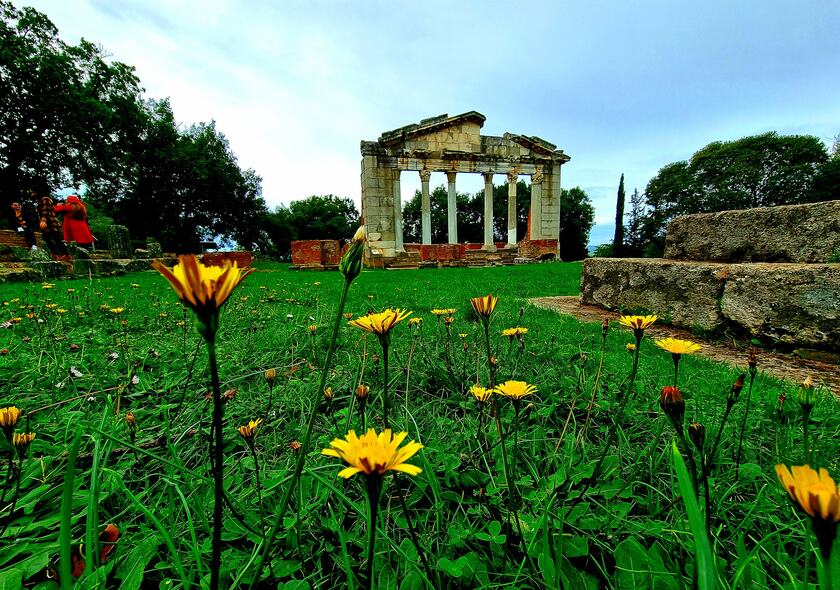
After breakfast we will drive to Vlora but first we will stop to visit, Apollonia Archeological Park. Apollonia was founded in 588 BC by Illyrians. Apollonia (which owes its name from the presence of a temple dedicated to the God Apollo) became a city-state of great strategic and logistical importance for trade by sea, thanks to the large port which enjoyed. The cultural development that the city had after 299 BC, following its conquest by the Roman Empire, is also due in large part to the centuries of Greek domination, which had established schools and universities here. To make you understand its centrality during Ancient Rome, it is enough to mention that even Julius Caesar stopped in Apollonia for a short period. Then we will drive to Zvernec Monastery. The St. Mary's Monastery, also known as the Monastery of Dormition of Theotokos Mary, is a medieval Byzantine church in Zvërnec Island build in 12 century. In the time of communism this monastery was a military warehouse. Overnight in Vlora,
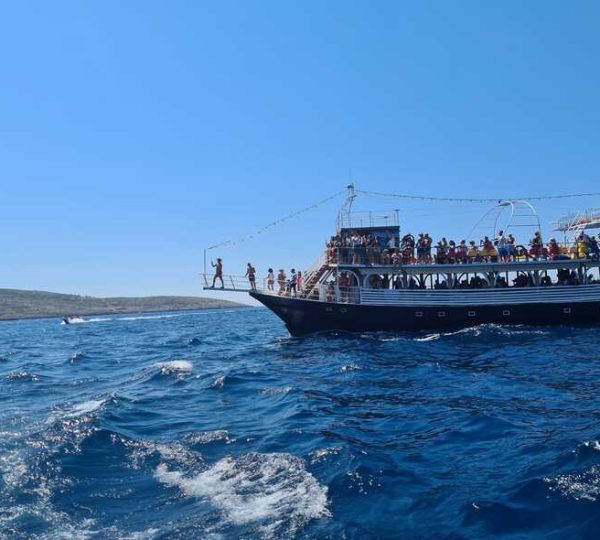
After breakfast, we will take the boat towards the island of Sazan. Sazan island once was a military base and into the island was created a small town for officers’ families. Island of Sazan has a beautiful nature and a variety of plants. But more the island is known for the typical animal world that grows in it, such as dwarf rabbit. Will explore the relaxing nature and enjoy the crystal-clear waters of the island. Then we will sail along the Karaburun peninsula where we will explore the mystical caves, exotic bays and rocky beaches in the crystal waters of the Ionian Sea. It will be a day reserved only for sea adventure. Apart from tourist attractions Karaburun peninsula , have a great historical value. You will explore the Cave of Haxhi Ali , which is considered to be the largest in the south. You will enjoy the beautiful beaches and the nature of the peninsula. Return will be made again in the city of Vlora. Overnght in Vlora.
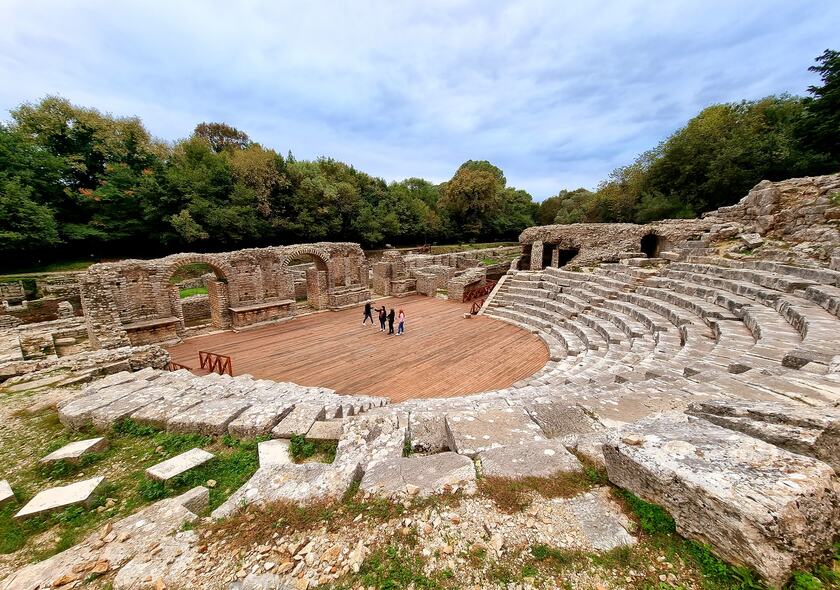
After breakfast we will travel to one of the most beautiful areas of Albania, starting with the Llogara National Park, 1005 above sea level and enjoy the view of the Ionian Sea. A road built by the Italians in 1930, this area is today considered one of the most beautiful in Europe with fantastic beaches and virgin nature. Next stop is Submarines Tunels. This submarine bunker was built during the Cold War under the rule of communist leader Enver Hoxha. At that time, the Bay was an important strategic submarine base and was used as a shelter for repairs. The tunnel goes as far as 650 meters into the rocks and is about 12 meters high. The bunker is no longer in use, but remains a military restricted zone so you can’t visit the inside. The bunker is located on the northern side of Porto Palermo Bay, and is best observed from the viewpoint, located directly on the coastal road. Drive to Saranda and on the way we will do short stops. Visit the biggest archeological site in Albania {Butrint} is optional. Overnight in Saranda.
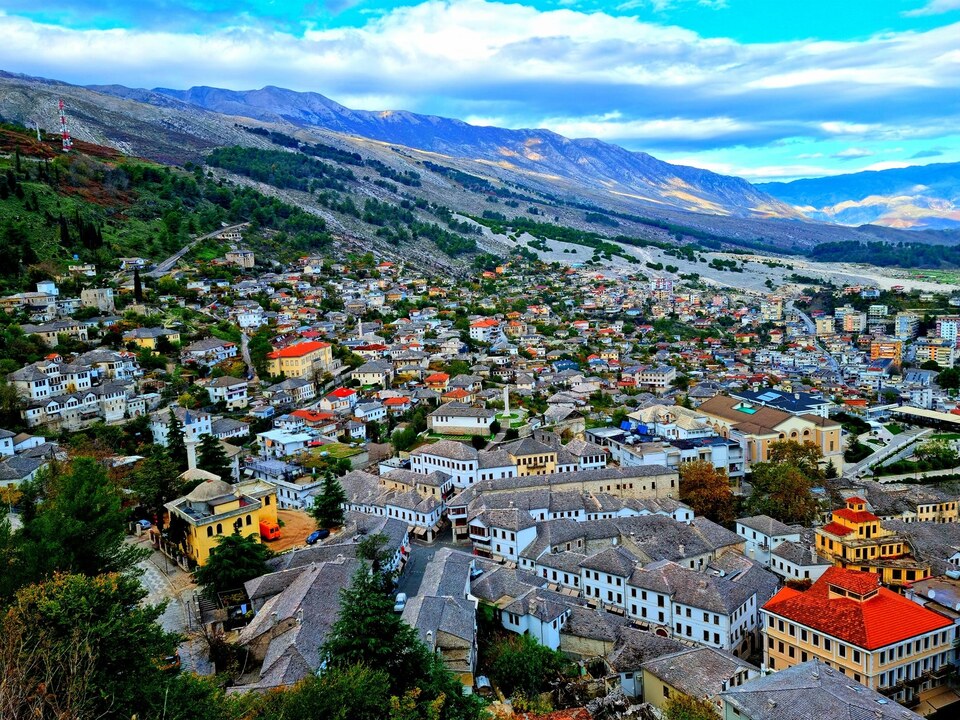
After breakfast, we will travel to Gjirokasta or the Stone City, the city protected by UNESCO, the city where one of the harshest dictators in the world, Enver Hoxha, was born but before we will stop to vist the famous water spring, Blue Eye. The Blue Eye is a water spring and initial water source of the Bistricë, a 25 km long river which ends in the Ionian Seat just south of Saranda. The source is a natural phenomenon with a depth of at least 50 meters, the deepest any diver has been able to go, so the actual depth is even unknown. Then trasfer to Gjirokastra. He was born in Gjirokastra in 1908 to a middle class family of merchants on the site of what is now the Ethnographic Museum. Hoxha was a founding member of the Albanian Communist Party and during the war became its leader. After the war the communists took power making all other political parties illegal, as party chairman, Enver Hoxha became the absolute ruler of Albania. Enver Hoxha was paranoid of opposition from outside of Albania and constructed hundreds of thousands of concrete bunkers to provide a first line of defence should invasion threaten. More damaging was the failed attempt at total self-sufficiency that hastened the fall of the regime after Hoxha’s death in 1985. In Gjirokastra we will aslo visit a cold war buker. We aslo visit the muesum of weapons inside the Gjiorkastra Castle. Overnight in Gjirokastra.
After breakfast we will drive to Polican. Poliçan was important during the Communist period. It was home to an enormous arms and ammunition factory, the KM Poliçan, which was opened in 1962. This produced its own versions (the ASH-72 and ASH-82 series) of the Kalashnikov gun as well as other munitions. The factory lies amidst cultivated terraced fields on the slopes of a natural amphitheatre away from, and beneath, the southern edge of the town. The slopes surrounding the factory below were dotted with concrete and metal entrances to underground stores and tunnels. The factory is still used, but mainly to de-activate out-of-date Albanian weaponry. It was difficult to imagine that the peaceful scene, which we observed from a track overlooking it, had such an explosive history. Drive back to Berat, the City of Thousand Windows, UNESCO and Berat was and is considerd one of the mos beautiful cities in Albania. We will visit the Castle, Mangalemi and Gorica quartes. Overnight in Berat.
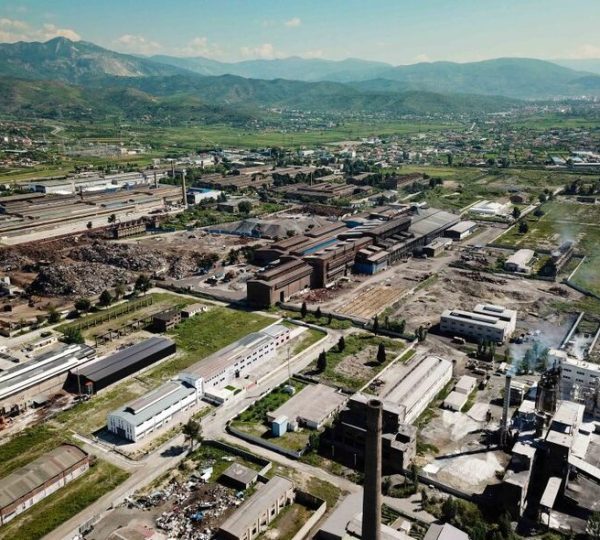
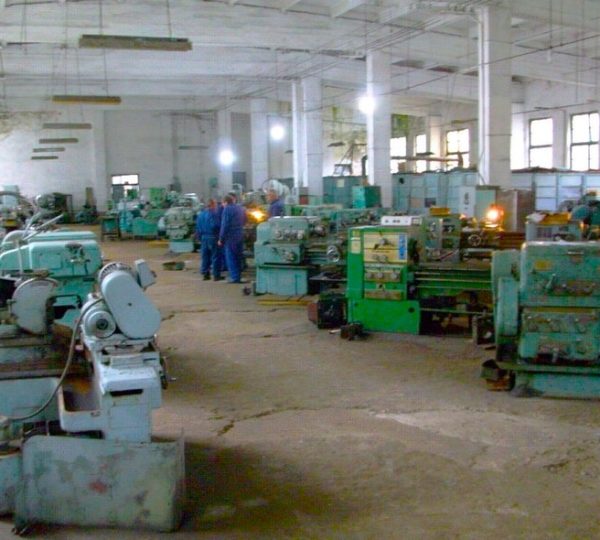
After brekfast we will drive to Elbasan. When the Second World War ended, the city of Elbasan in Albania was subjected to an intensive programme of industrial development under the Communist regime. This process culminated in the construction of the huge “Steel of the Party” metallurgical complex located outside the city, in the valley of Shkumbini, built in collaboration with the Chinese during the 1960s and 1970s. The Albanian dictator Enver Hoxha declared it to be “the second national liberation of Albania”, in his attempt to transform Albanians from peasants into proletarians. The “Metalurgjiku” was built to supply heavy metals to the Albanian industry as a whole. Then came a large cement factory at the end of the1960s, a nickel one in 1981, and a ferrochrome one in 1988. After we will trafer to Tirana. Free afternnon. Overnight in Tirana.
After breakfast we will drive to the airport. End of our service.