From Tirana to Ljubljana

Price on Request

119.00

Duration

14 days

Tour Type

Tour Description and Itinerary

Start 14-days Balkan odyssey, unlocking the secrets of Slovenia, Croatia, Bosnia and Herzegovina, Montenegro, and Albania. Revel in pristine nature, rich cultures, and intricate histories while luxuriating in 13 nights. Our carefully crafted itinerary seamlessly weaves iconic highlights with off-the-beaten-path Balkan discoveries. Balkan Discovery introduces you to local life, guided by insiders who infuse history with vitality. Indulge your palate with authentic flavors, from delectable local delicacies to the finest wines, imprinting the Balkans’ essence in your memory. Choose us as your Balkan guide, and illuminate your path through these mesmerizing lands.
DISCOVERY HIGHLIGHTS

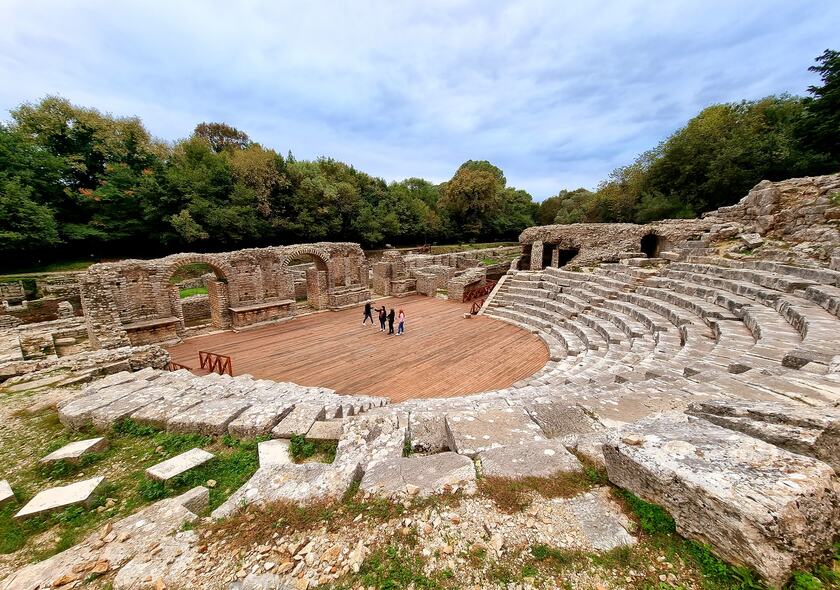
  • Durres is home to a grandiose Roman amphitheater in the very heart of the city center.
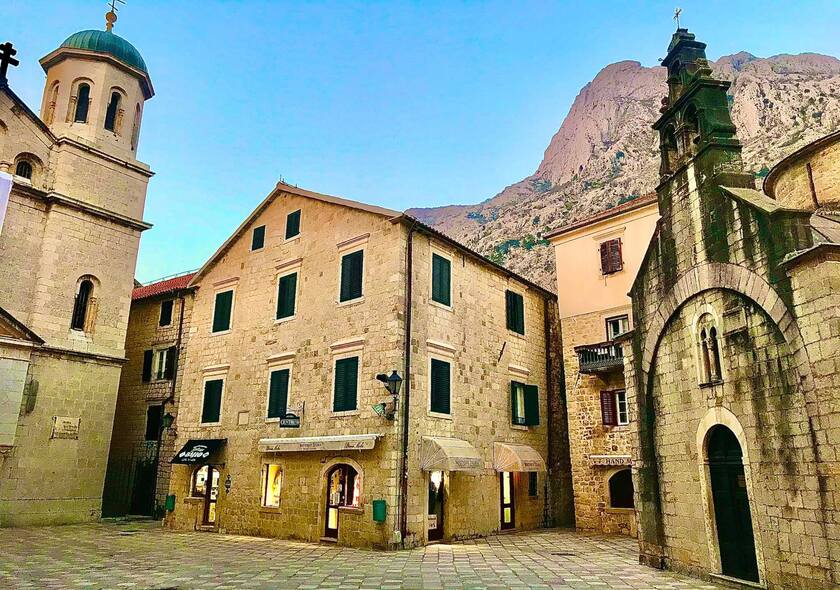
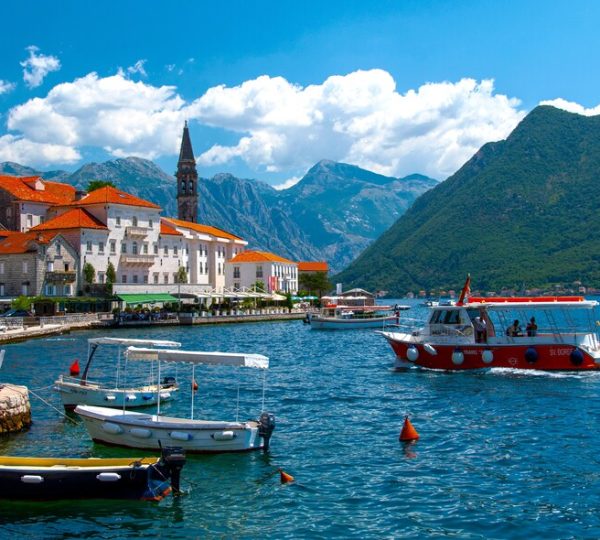
  • Enjoy breathtaking Bay of Kotor vistas unfolding beneath you, including the stunning serpentine road to Njeguši village
  • City Walls – Once defensive stone walls which served as a protection from invaders, today are one of the most iconic monuments of Dubrovnik.
  • The Plitvice Lakes is the oldest and the largest national park in the Republic of Croatia.
  1. Duration                      14 Days

  2. Destination                 Balkans

  3. Start/Ends in             Tirana / Ljubljana

Included/Exclude

  • Accommodation in 3*/4* hotels on twin sharing basis with daily breakfast
  • Sightseeing as per itinerary with English speaking guides
  • Transportation by car/coach/minibus
  • Airport transfers
  • All Taxes
  • Meals other than that mentioned in itinerary
  • Overseas medical insurance
  • Entrance fees
  • Optional tours
  • Anything that is not stated in itinerary

Tour Amenities

Tour Itinerary

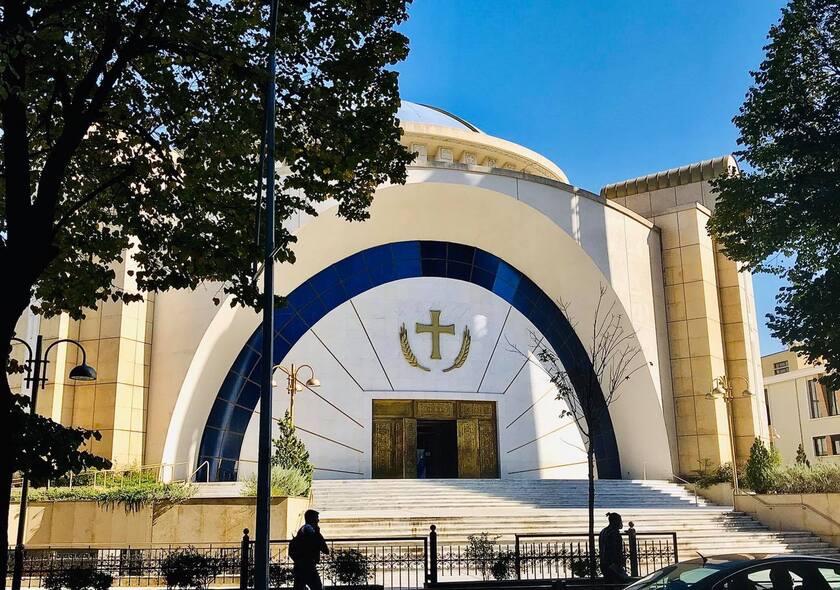
Welcome to Albania. We will pick you up to the airport and we will drive to Tirana, the Capital of Albania. During the walk and some interesting talks, we will face one of the largest open squares you have seen, the Skanderbeg Square, which used to be home to the statue of Stalin, the impressive Clock Tower, Mother Teresa Square, the National Art Gallery, Ethem Bey Mosque and the fascinating Pyramid of Tirana, a massive structure which used to be a museum, conference hall and, during the Kosovo War a NATO base. Overnight in Tirana.

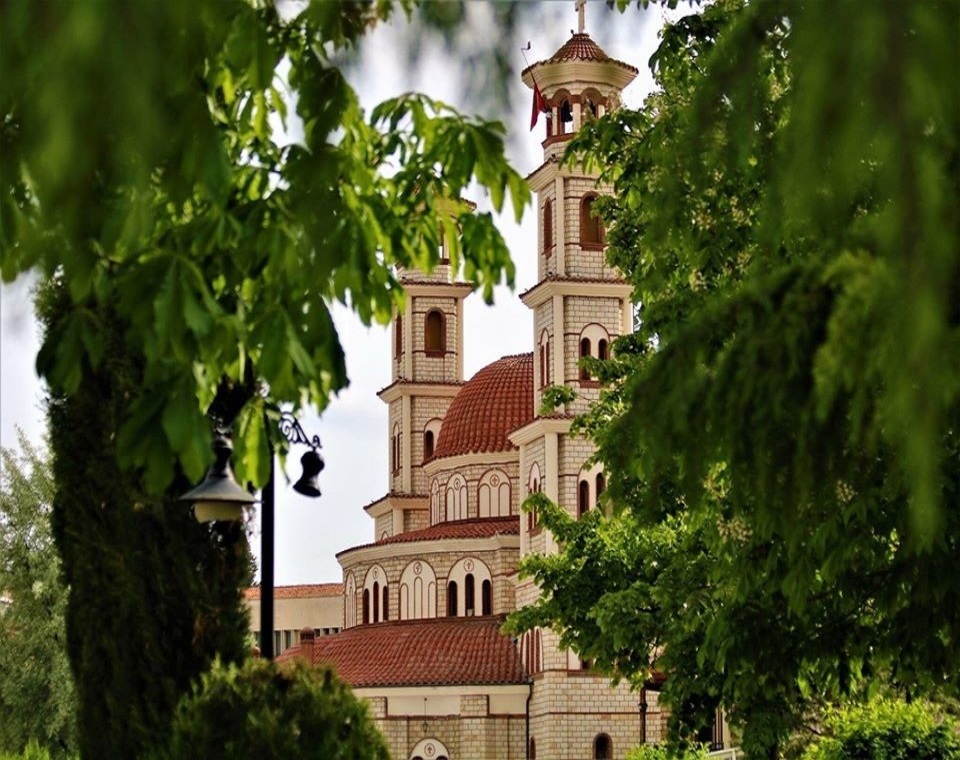
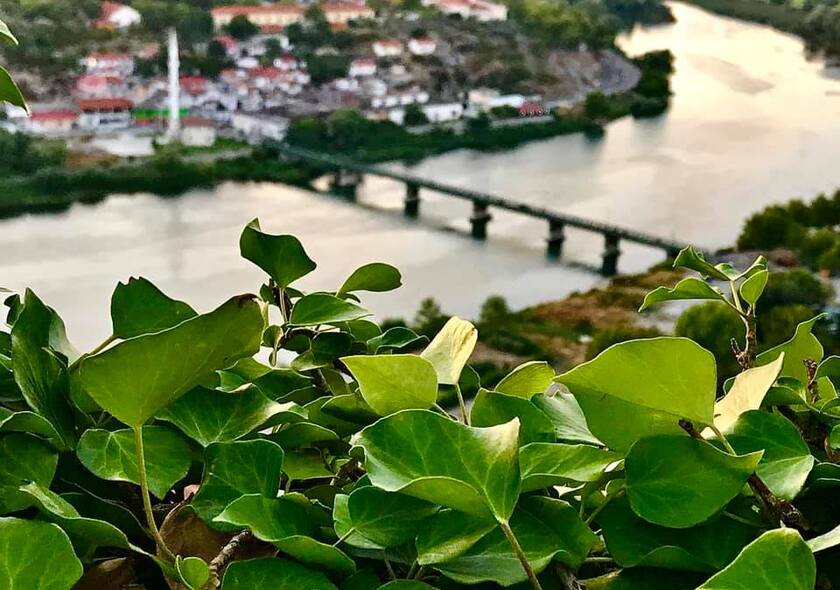
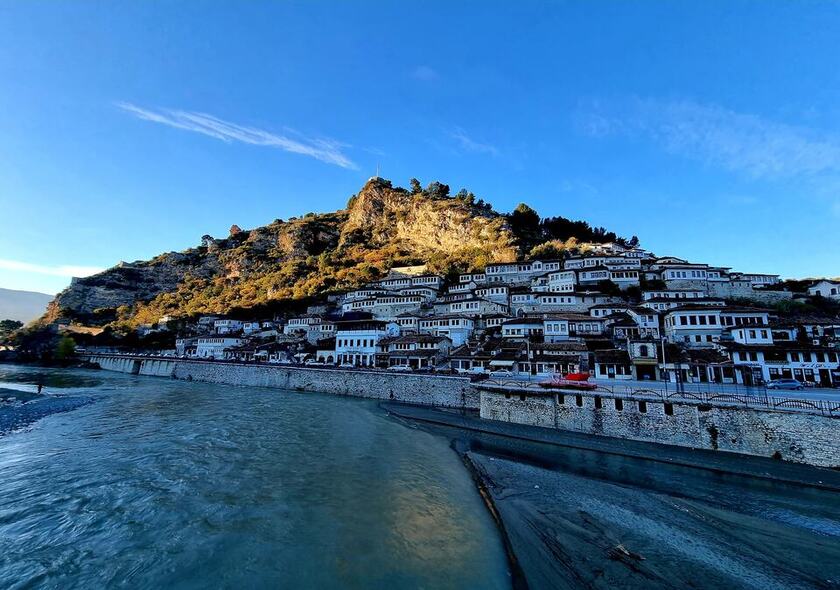
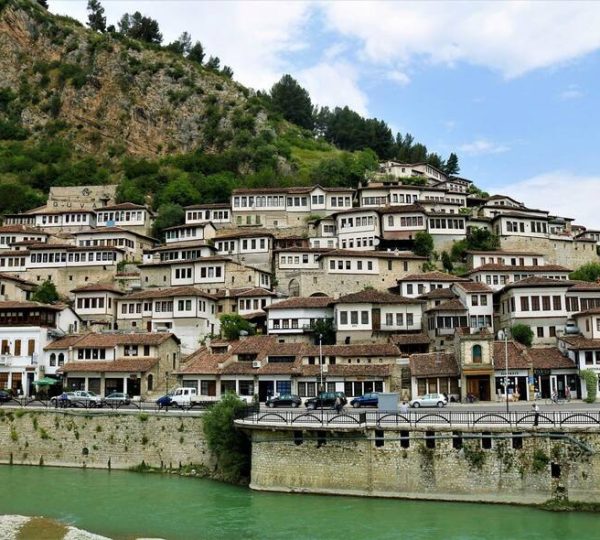
After breakfast we will drive to Berat but before we will do a short stop to Durres. Many heard about Durre’s beautiful beaches. Still, only a few did understand that Durres is home to a grandiose Roman amphitheater in the very heart of the city center. We will explore the ancient premises of the largest stadium in the Balkans, dating back to the 2nd century BC and try to imagine a crowd of over 20.000 people that this place used to host at once effortlessly. Drive to Berat. In July 2008, the entire old town of Berat, Mangalem district, was inscribed on the UNESCO World Heritage List. Berat dates from the 6th – 5th century B.C. as an Illyrian settlement, and, later on, in the 3rd century, this settlement was turned into a castle city with churches, valuable frescoes, and icons. Nowadays, citizens of the picturesque city of Berat still live inside the castle walls, and you will have a chance to visit this fantastic Berat fortress, National Ethnographic and Iconographic museums, Holy Trinity Church, King’s Mosque, and many other locations in our way. Overnight in Berat.

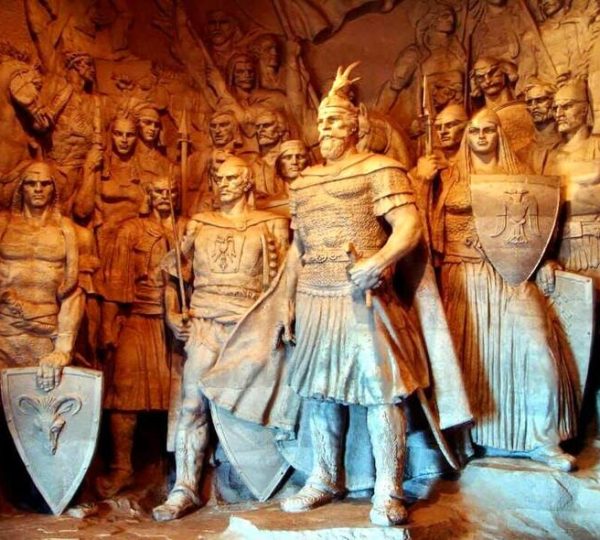
After breakfast we will drive to Kruja. Once upon a time, Kruje was the capital of the first autonomous Albanian state and a home place of Albanian National hero Skanderbeg. Being home to the most preserved old marketplace in Albania and beautifully nested on the mountains, overlooking the Adriatic sea and excellent Ishëm River plain, the town of Kruje offers incredible panorama sights and insight into ancient and fascinating history. Free time to shop in the old market of Kruje. Overnight in Kruja.

After breakfast we will drive Kotor. A walking tour of Kotor will take us via hidden cobble-stoned streets, giving us an opportunity for an in-depth understanding of Kotor’s history and cultural background. In the present day, originating from the Venetian era but mentioned initially during the Roman era as a strategic position on the Adriatic sea, the Kotor has been through many ups and downs throughout its nearly two millennia-long history. Since Romans, followed by Illyirians, Slavs, Hungarians, Serbian, Venetians, French, Austrians, Yugoslavians, and today finally part of modern Montenegro, the Kotor has seen many empires passing by while leaving part of their history engraved within heavily fortified walls of Kotor. Learning specifics about the past and presence of Kotor while admiring the narrow stone streets, stone churches, stone walls, high mountains above, small windows with drying laundry, a ton of cats, hidden bars and cafes, and so much more, is a great way to experience UNESCO heritage of Kotor town. Overnight in Kotor.

After breakfast we will drive to Dubrovnik. Dubrovnik is a city in southern Croatia fronting the Adriatic Sea. It's known for its distinctive Old Town, encircled with massive stone walls completed in the 16th century. Its well-preserved buildings range from baroque St. Blaise Church to Renaissance Sponza Palace and Gothic Rector’s Palace, now a history museum. Paved with limestone, the pedestrianized Stradun (or Placa) is lined with shops and restaurants. Free afternoon. Overnight in Dubrovnik.

After breakfast we will drive to Mostar in Bosnia-Herzegovina. Mostar is a unique fusion of numerous different historical periods that staked their claim to the city and sculpted it in a way that it proudly stands on a throne of the cultural, historical, architectural and natural diversity of Balkans. Once you are ready, we will start exploring the city and follow its stories and legends of east and west lurking over each corner of charming narrow streets and cobblestone passages. We will visit Old Bazaar and famous bridge build in 14 century. Overnight in Mostar.

After breakfast we will drive to the city of Split. Today you will have a chance to admire one of the most popular Mediterranean places, a place so unique that there will hardly be a single thing you won’t be fascinated with. They say that Split is a place you must love; it’s not a matter of choice. We will take an extensive walking tour in the early morning and learn in-depth about Split. We will stroll through the centuries, starting from Roman times, and enjoy this fantastic city’s treasure trove of endless layers of history, architecture, and urban spirit.  Just the fact that the essence of the city’s urban life is the grandiose 4th century Diocletian’s Palace, which, along with the historic center UNESCO protected and maintained by the United Nations Agency for Education, Science, and Culture, is a slight hint on all of the possible whirlwinds of emotions you will be experiencing while walking the paths of the ancient civilizations and enjoying the mesmerizing colors of the Adriatic sea. Overnight in Split.

Free on your own. After the morning, you can spend the rest of the day exploring Split on your own or take one of the full-day or half-day tours covering the surroundings of Split, such as the UNESCO town of Trogir or the beautiful islands of Brac, Solta, or even Hvar. Overnight in Split.

After breakfast we will drive to Plitvice Lakes. We visit UNESCO world heritage, amazing Plitvice Lakes National Park. At Plitvice, we will admire nature’s most impressive wonders made of water, limestone, green forest, and much much more. The waters flowing over the limestone and chalk have deposited travertine barriers over thousands of years, creating natural dams, creating a series of beautiful lakes, caves, and waterfalls. These geological processes continue today. We’ll walk around the park, do a few boat rides, learn more about the place, and, most importantly, enjoy nature as much as possible. A visit to Plitvice Lakes is totally flexible according to your wishes and physical possibilities. The tour of the visit to the lakes can last from 3 to 5 hours. Overnight in Plitvice.

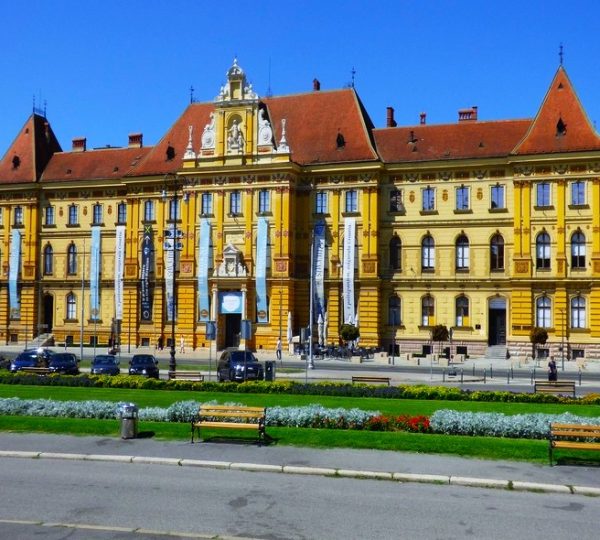
In the morning, we leave Plitvice Lake and drive to Zagreb, the capital of Croatia. During the tour, we will explore the most historically interesting parts of Zagreb, including the Upper and Lower Towns, Ban Jelacic Square, Zagreb Cathedral, St. Mark’s Church, Dolac market, and all the most essential attractions in the heart of Zagreb. Overnight in Zagreb.

After breakfast we will drive to Ljubljana. You will have the opportunity to enjoy the most exciting parts of Ljubljana, covering places such as Prešern Square, Triple Bridge, Ljubljanica River, Dragon Bridge, and many other attractions that this city is proud of. Overnight in Ljubjana.

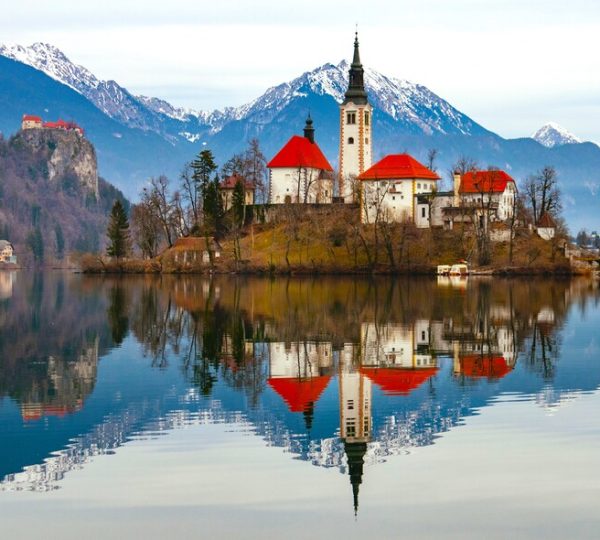
After breakfast we will drive to Postoja Cave. The most visited tourist cave in Europe is a place where the proteus or olm offspring are once again hatching. Postojna Cave is the only karst cave with a railway, which was built more than 140 years ago. The unique tourist train will take you to the underground network of karst corridors, galleries and halls. Then we will drive to Bled Lake. The traces of history of Bled Island go back to the prehistoric period (from the 11th to the 8th century B.C.) and Slavic settlement (from the 9th to the 10th century). The ancient Slavic cult area was probably located here in the early Middle Ages, i.e. at the site of the present church. In the period from the 9th to the 11th century, there were 124 graves with skeletons found and can be viewed through a glass window in the church. The foundations of the pre-Romanesque chapel, built during the spreading of Christianity, also date to that period. This is the only discovered example of a cult object from those times on our territory. The first brick built church on the island was consecrated in 1142 by the Aquileia patriarch Pellegrino. The church was rebuilt in Gothic style in the 15th century; the renovated church was consecrated in 1465 by the first Ljubljana bishop, Count Žiga Lamberg. It was damaged in 1509 by an earthquake; therefore it was thoroughly renovated in early Baroque style. From former Gothic church are preserved only frescoes in the presbytery and wooden statue of Mother Divine, which probably adorned the main altar.

The current shape of the church has been preserved since the 17th century, when it was restored after the second earthquake. The main altar with a richly-decorated golden carving that dates back to 1747 at the main altar plastic represents the sitting Mother Divine, alongside the donor of the Bled estate Henry II and his wife Cunigunde. Side altars which were made at the end of the 17th century, are dedicated to St Sebastian, St Magdalene and St Ana. The bell tower was built in the 15th century, but because of the heavy damage in both earthquakes and a lightning strike in 1688, the tower was renovated several times. The current bell tower is 54 metres high and has three bells made by Samasso and Franchi, bell makers from Ljubljana. The church and other buildings, such as the wall and monumental staircase with 99 steps, have preserved their image since the 17th century. A special feature is the wishing bell in the upper roof above the church nave. Back to the city. Overnight in Ljubljana

After breakfast we will drop you off to the airport and we say goodbye and hope to see you again. And of our service.

Related Tours

Review Scores

No reviews yet

Add a Comment

Your email address will not be published.

  • Quality
  • Location
  • Amenities
  • Services
  • Price

Booking Form

Tour Information

Max Guests

50

Min Age

18+

Need Help? Please Call Us: +355682826670