From Tirana to Venice
Tour Description and Itinerary
You will see some of the most beautiful coastal stretches and beaches in the world from the Venice inspired coastline of Slovenia and the secluded coves and remote islets of Croatia to the white crescent-shaped beaches and azure waters of Albania – a country that still has a culture that is all its own.
DISCOVERY HIGHLIGHTS
- Kruja, the center of Albanian resistance against the Ottomans under our national hero Scanderbeg.
- Dubrovnik is known for its astounding beauty, sophisticated history and culture, and prosperity.
- The town walls of Stone makes the longest defensive structure in Europe; they are sometimes referred to as the ‘European Walls of China.
- Split is the second largest city in Croatia, with just over 200,000 inhabitants, and is the largest city on the Adriatic coast.
-
Duration 11 Days
-
Destination Europe
-
Start/Ends in Tirana / Venice
Included/Exclude
- Accommodation in 3*/4* hotels on twin sharing basis with daily breakfast
- Sightseeing as per itinerary with English speaking guides
- Transportation by car/coach/minibus
- Airport transfers
- All Taxes
- Meals other than that mentioned in itinerary
- Overseas medical insurance
- Entrance fees
- Optional tours
- Anything that is not stated in itinerary
Tour Amenities
Tour Itinerary
Meet our guide at the airport and head to the hotel. First visit will be Scanderbej Square, the largest square in Europe. In the square we will visit, the Et’hem Bej mosque, the monument of our national hero Scanderbeg, Opera house, Clock tower. Then we will visit the Pyramid monument and Bunk Art museum, Government building, main boulevard, Mother Teresa Square. In Tirana you will experience a city with a rich history from Ottoman rule through the fall of communist to a modern European city. Take time to immerse yourself in this colorful city where the past meets the present while rapidly striving towards the future. Overnight in Tirana.
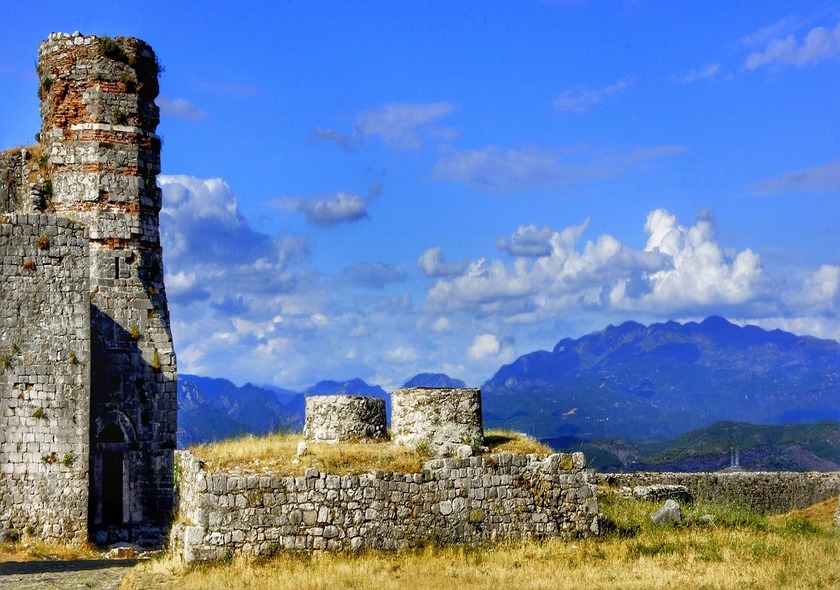
After breakfast we will drive to Shkodra. On the way we stop to Kruja, the center of Albanian resistance against the Ottomans under our national hero Scanderbeg who defeated them in 22 battles including one of the most warriors like sultans Mehmet the Conqueror and resisted the Ottoman occupation for 25 years. We visit the Castle with two great Museums and the Old Ottoman style bazaar. Proceeed to Shkodra. After our time here we will continue to Shkodra, in Illyrian times known as Shkodra, one of the oldest cities in Europe and the traditional center of the Gheg cultural. Shkodra is rich with historical monuments, including the old Illyrian Rozafa Castle. Overnight in Shkodra.
After breakfast our day with a short walking tour through the small and picturesque old town of Budva. Much of the architecture in the Old Town is of Venetian origin. Doors, hinges, windows, balconies and many other small but noticeable things seem to hold the Roman style of the Republic of Venice. From here we start a scenic drive that will bring us to one of the true highlights of the Adriatic coast -the Bay of Kotor. Overnight in Kotor.
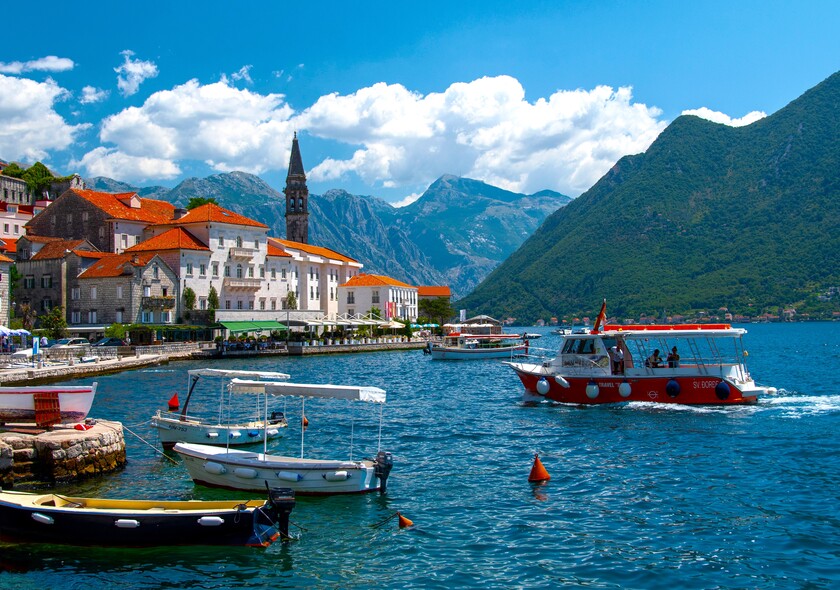
After breakfast we will visit the city of Kotor. The bare mountains plunging into the dark water have caused it to be compared with a Norwegian fjord. Our walking tour here will include visits to the Cathedral of St. Tryphon, St. Luka Church, and the St. Mihail Church. Our tour will take us through some of Kotor’s spacious squares, lined with beautiful palaces, various impressive religious buildings and the fortifications, for a glimpse of the city from above. Free afternoon. Overnight in Kotor.
After breakfast we will visit the city of Dubrovnik. Dubrovnik has been a UNESCO World Heritage Site since 1979, and this morning we will start our day with a walking tour of Dubrovnik’s historic center. Often called “Croatian Athens” and the “Pearl of the Mediterranean” Dubrovnik is known for its astounding beauty, sophisticated history and culture, and prosperity. Over the course of it’s tumultuous history, the city had to be extensively reconstructed; the earthquake of 1667 destroyed much of the city; and in recent memory, the town was bombarded by over 2000 shells in 1991-2. After great international efforts, the city has been restored to its former glory, with its towering fortifications, magnificent medieval architecture, red tiled roofs, winding paved streets and picturesque harbors. Every corner of this town could tell a story. Today we will visit the Franciscan Monastery, an absolute delight famous for Europe’s first pharmacy and the remnants of old frescoes. The Rector’s Palace is one of the loveliest buildings in the city and is now a museum. The graceful dome of the Cathedral dominates the skyline no matter where you look. Along our walk we will see many famous landmarks including: Onofrio’s fountain, the Clock Tower, Orlando’s Column and the Gundulic Square. Of course, no walking tour of Dubrovnik would be complete without a visit to the city harbor and old port as Dubrovnik owes its very existence to shipping and trade. As part of our sightseeing, we will also walk along a section of the walls of Dubrovnik, considered by many to be a highlight. The total circuit is nearly 2km / 1.25 mi, and from the bastions you will have magnificent views of the city’s monuments, walls and harbours. The walls as they exist in their present form date back to the 15th century. As you walk the ramparts, you will have a postcard perfect view of the various monuments and bastions of the city. Overnight in Dubrovnik.
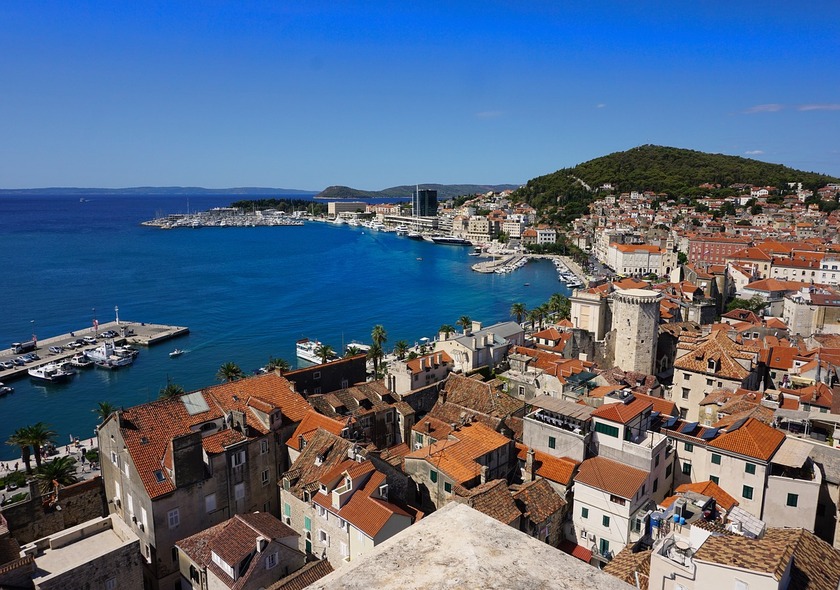
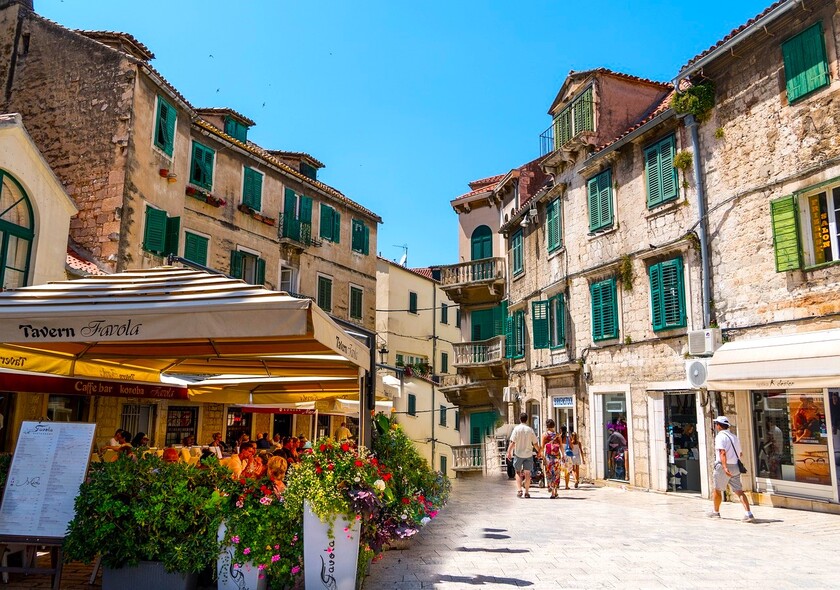
After breakfast we will drive to split but first we will visit the small town of Stone. The town walls are perhaps what this little town is best known for – and rightfully so. The walls are much longer than those of its more famous neighbour, Dubrovnik, at 5km in length. This makes them the longest defensive structure in Europe; they are sometimes referred to as the ‘European Walls of China”. Built in the 14th and 15th centuries as a additional defence for the Republic of Ragusa (Dubrovnik) and to protect the lucrative salt pans in the area, the walls also consist of three fortresses – Veliki Kastil (in Ston), Korula (Mali Ston) and Prodzvizd Fort – and a number of towers. The walls once stretched for as long as 7km, but parts were destroyed following the fall of the Republic of Ragusa, and during the 19th century when the stone was used to construct other structures. Proceed to Split. Split is the second largest city in Croatia, with just over 200,000 inhabitants, and is the largest city on the Adriatic coast. Once merely considered by some as just transit point – with excellent transport connections by bus, sea, air and train, it’s easy to travel to and from the city – it is deservedly becoming a destination in its own right. We will visit Diocletian's Palace, Golden Gate, The statue of Gregory of Nin, Papalic's Palace, Split Riva, Marmont's street, Split market (piazza), Marjan forest park. Overnight in Split.
After breakfast we will drive to Portoz Slovenia. Portorož and Piran are surrounded by salt pans on both sides. The high value of the famed salt enabled the rise of picturesque Piran in medieval times. In today’s cosmopolitan Portorož salt makes up a big part of the range of wellness services offered, which is regarded as one of the most comprehensive in Europe. We will visit the old town, Forma Viva Sculptures, Grand Casinò Portorož, Trip to Piran. Overnight in Portoroz.
After breakfast we will drive to Venice, the island city. As soon as we arrived you have free afternoon.
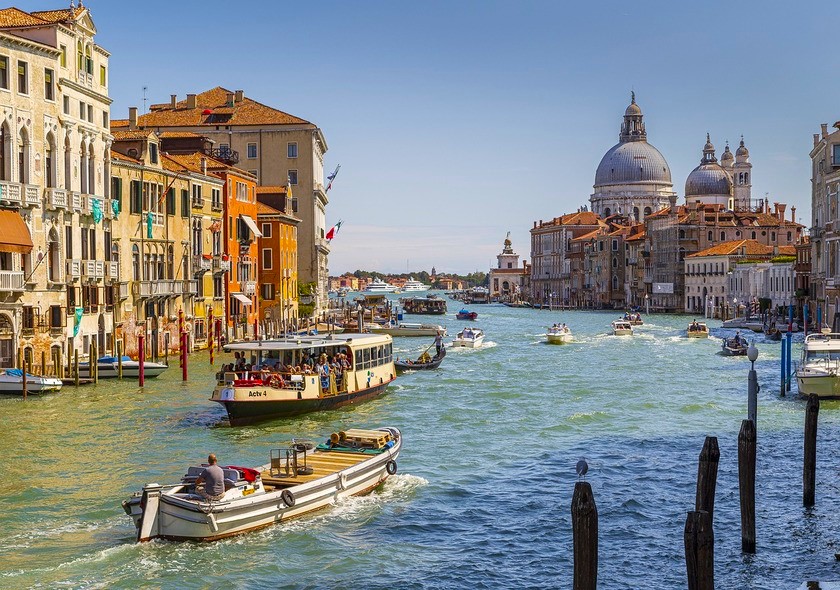
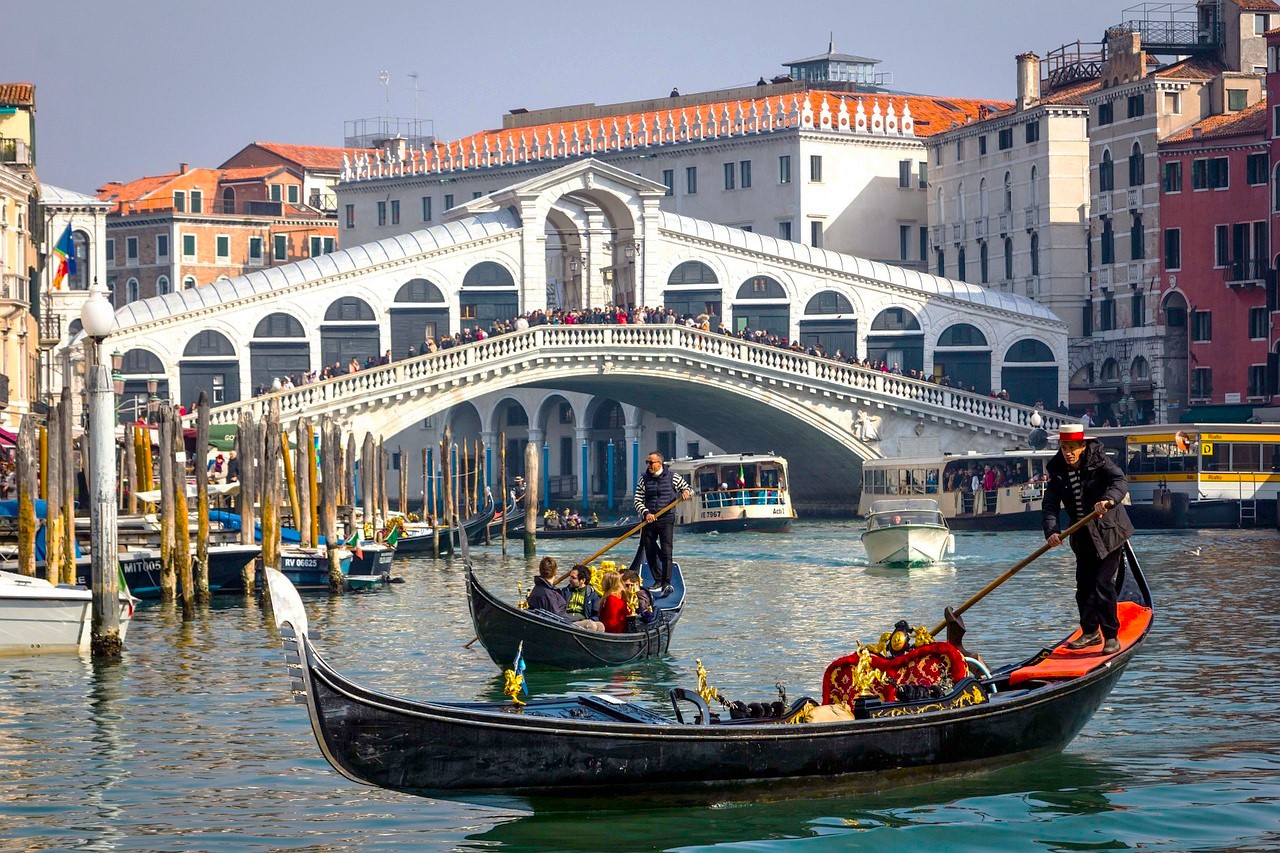
After breakfast we will discover the real Venice. Visiting Venice is a unique experience. The city of Venice boasts unique attractions and sights, enchanting places that you can only admire while walking along its wonderful lagoon, such as the Grand Canal along with the other canals and the bridges that cross them such as the Ponte di Rialto e il Ponte dei sospiri. The bridges connect Calli, Campi and piazze and among the many stands out St. Mark's Square, where stand the Basilica of San Marco and its bell tower. In this labyrinth of streets and canals, it will be easy to come across the wonderful palaces of Venice: the Doge's Palace, the Ca' D'Oro, Palazzo Venier dei Leoni, the latter home of the famous Peggy Guggenheim museum. Speaking of museums, we should certainly mention the galleries of the academy and the circuit of civic museums, which includes the Correr Museum, the Museum of Natural History, Palazzo Fortuny and the Clock Tower. But along and around the Venice lagoon you can find much more: archaeological sites, natural landscapes, gardens and parks. All you have to do is come to Venice and let yourself be amazed by its attractions. Overnight in Venice.
After breakfast we will drive to the airport and this is the end of our service. hope to see you soon.